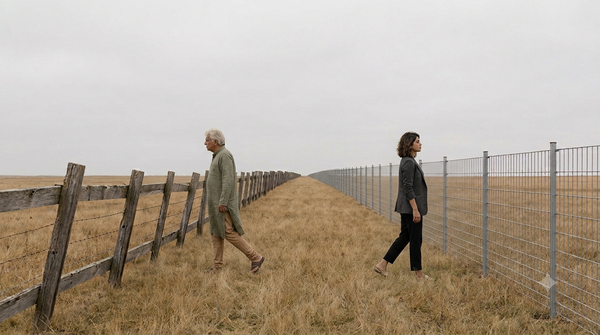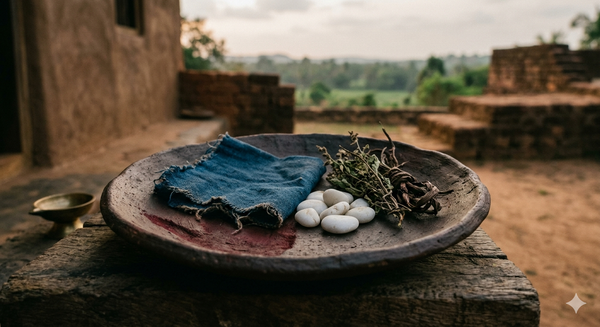
Every year, around 100 Indian soldiers die in active combat with enemy forces. That number is cited in ceremonies, etched on memorials, mourned on national television. But there is another number, quieter, never etched anywhere: a 2015 Tata Institute of Social Sciences survey found that sanitation workers in Mumbai alone were dying at a rate of 261 per year. That was a decade ago. Nobody thought to check if it got better.
While our country prides itself in sending spacecrafts to Mars, we still haven't identified a dignified technology for cleaning human excreta from railway tracks and sewer lines.
We have a Mars mission. We do not have a spare bucket program.
* * *
Now think about the last time you cleaned your own toilet. Rubber gloves. A long-handled brush. You held your breath, maybe felt mildly disgusted, then washed your hands twice and forgot about it.
When I was seven, the biggest injustice in my life was a cricket bat I'd been denied. One evening I played in the colony lane with a group of kids. They were just kids. A seven-year-old doesn't see anything else, doesn't know to see anything else. My father called me inside almost immediately, his voice low and firm. He had seen who I was playing with. I went. I didn't understand why.
I learned that day that silence is the first wall of the system Wilson spent his life tearing down.
The boys I left behind did understand. They had always known. One of them could have been Bezwada Wilson.
* * *
Wilson was 13 when he finally learned that his parents and his brother picked human waste for a living. His friends in school would taunt him. When he asked his parents what they did, they tried to hide it. When he finally became certain, he wanted to die.
He didn't. He became something far more dangerous to the system: furious, educated, and stubborn.
After school, Wilson went to the Employment Exchange Office seeking a job. He was told he would be given the job of a sanitation worker because of his caste. Not his grades. Not his skills. His caste. He walked out and decided, somewhere in that cold fury, that he was going to break this thing.
* * *
He fought his own family first. They said this was the way things had always been, always would be. He fought officials who denied the existence of dry latrines while women carried baskets of human waste on their heads outside the very same offices. He prepared state-wide surveys, documenting each manual scavenger and dry latrine with photographs, mobilizing volunteers across districts. One night he sat crying under a tree outside a government office because a negotiation for a spare bucket for a worker had fallen through. He came back the next morning.
That is the kind of grit that doesn't make for good cinema. No single dramatic moment. Just showing up, again and again, to a system designed to exhaust you into silence.
* * *
Manual scavengers live, on average, to 58 years, against the national average of 68. Their annual death rate runs nearly a third higher than the general population. Run that against the people Wilson's movement touched: of an estimated 600,000 scavengers in India, SKA liberated around 300,000. That is ten additional years of life, multiplied by 300,000 people. Thirty million years of living reclaimed. And that does not count the children, who will not inherit the bucket, who will not grow up already knowing what the world has decided they are.
Because that is the real violence of manual scavenging. Not just what it does to a body. What it tells a child about who they are allowed to become.
* * *
We sometimes feel something reading stories like this. A tug. A brief anger. Then we step outside and use the caste-slur that strips them of their name when the drain smells. Or we stay silent when someone else does. I have. Most of us who write and read and share pieces like this one have. Armchair sympathizers with clean hands.
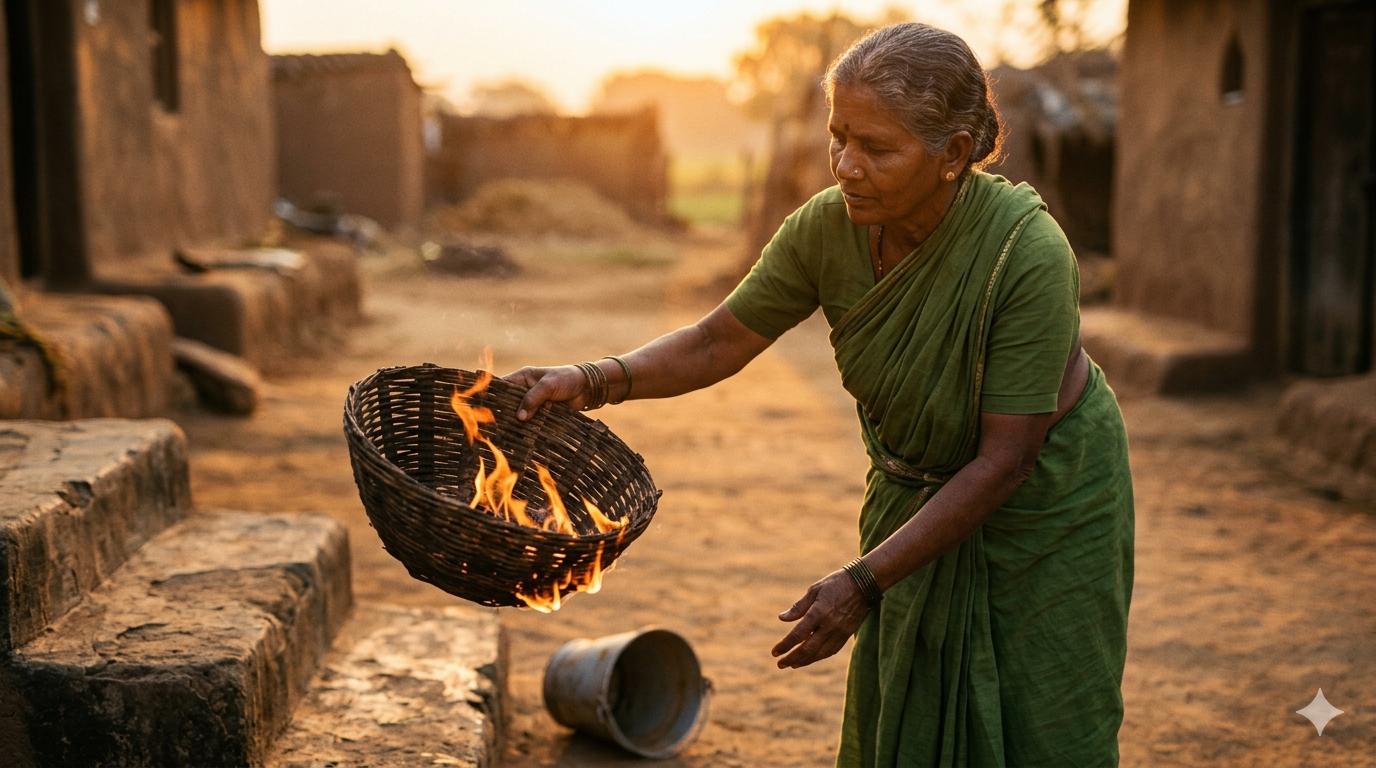
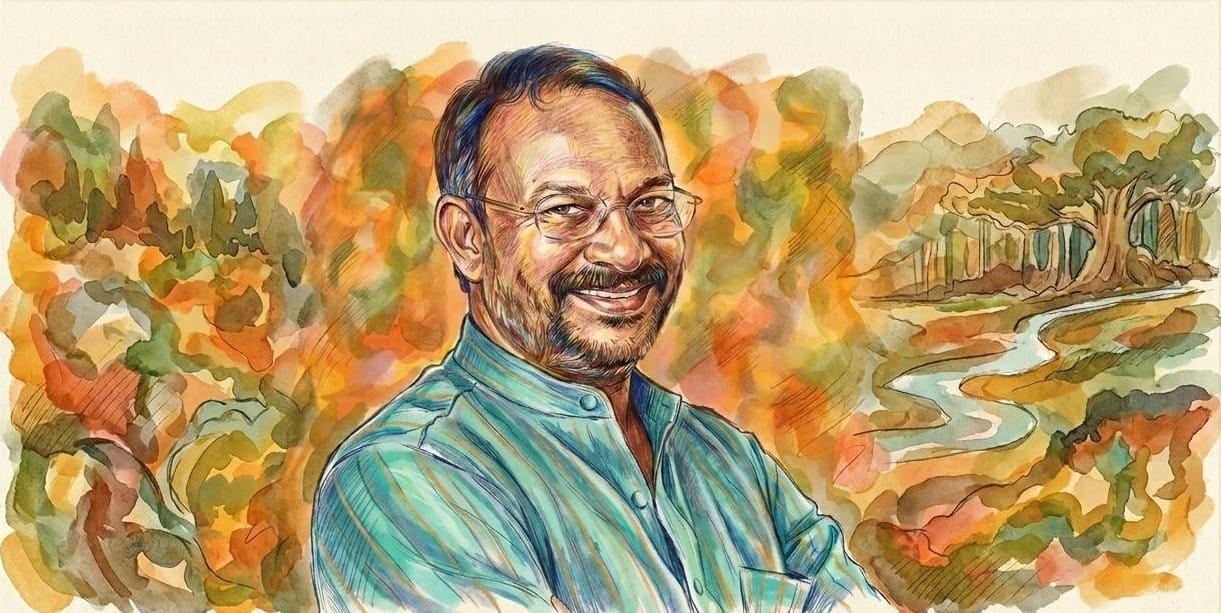
There was only one Bezwada Wilson. In 2016, he received the Ramon Magsaysay Award for his efforts to reclaim for Dalits the human dignity that is their natural birthright. He dedicated it to the women who burned their baskets.
We find a hero in him.
But the question his life leaves behind is simple and uncomfortable: what are we burning?
References
- Tata Institute of Social Sciences, Baseline Survey of Conservancy Workers, Municipal Corporation of Greater Mumbai (2015), cited in WaterAid India — wateraid.org
- Safai Karmachari Andolan, official website — safaikarmachariandolan.org
- Ramon Magsaysay Award citation for Bezwada Wilson (2016) — rmaward.asia
- Wikipedia: Bezwada Wilson — en.wikipedia.org
- PMC: Between Paternalism and Illegality, manual scavengers life expectancy data (2022) — ncbi.nlm.nih.gov
- The Better India: Why Bezwada Wilson Will Not Rest — thebetterindia.com
- StarsUnfolded: Bezwada Wilson — starsunfolded.com
- IDR Online interview with Bezwada Wilson — idronline.org