Some people carry grief like luggage. Heavy, visible, dragged behind them everywhere they go.
He carried his differently.
He lost his mother before he could remember her face. Not to death, to distance, to circumstance, to a world that needed him elsewhere before he even had a say. The woman who raised him loved him completely, and he loved her back the only way he knew: by eventually leaving her too. The people needed him. So he went.
And then there was her.
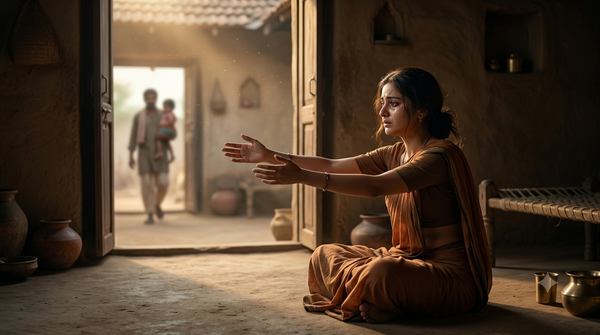
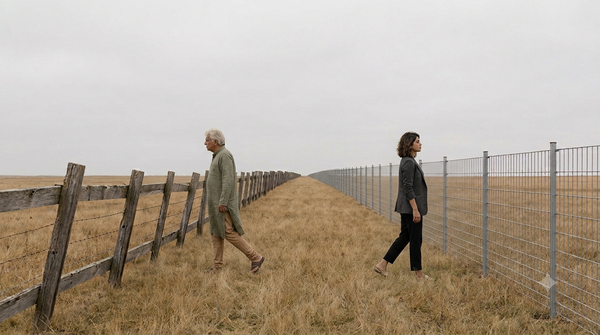
The one he loved completely, the one who loved him back the same way, the kind of love that poets have spent centuries trying to find words for and always falling slightly short. He left her too. Not because he stopped loving her. Because he never stopped. He carried that love like a quiet wound for the rest of his life, and she spent hers loving someone who the world would not let come back.
He never married her. He never forgot her.
His parents spent years in a prison cell for the crime of bringing him into the world.
He grew up anyway. Laughed anyway. Played anyway.
When someone tried to kill him, he outthought them. When armies came, and they came seventeen times, one man leading the charge each time like a personal vendetta against his existence, he made a choice that history has never quite forgiven him for. He ran. He retreated. Picked up his people and walked away from his own kingdom without a sword drawn.
They gave him a name for it. Not a kind one.
He wore it anyway.
He watched a young boy, barely trained, walk into a battle formation designed like a trap with no exit. He knew what would happen. The boy walked in. He didn't walk out.
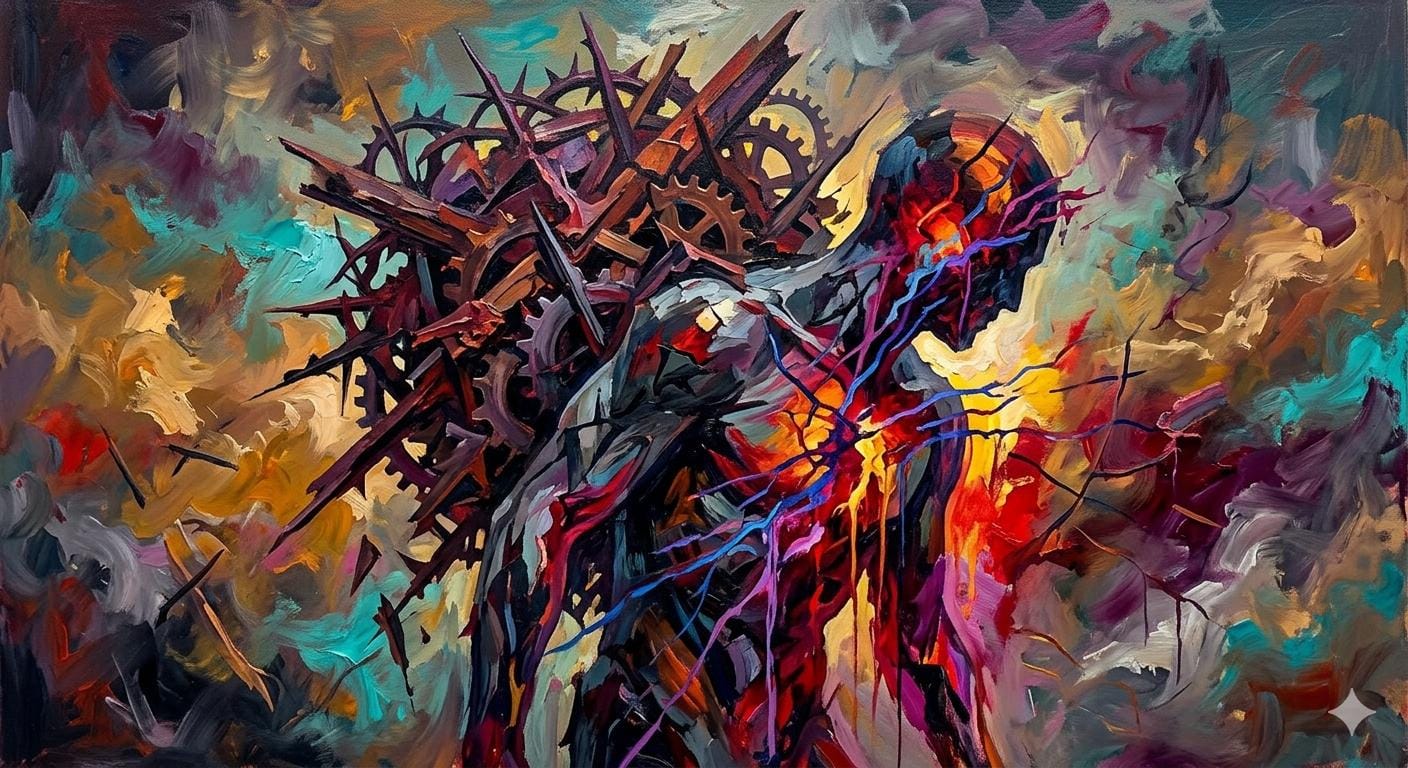
He held a civilization together through an eighteen-day war that killed nearly everyone. Gave counsel. Kept clarity. Watched his world burn from the inside.
Afterward, a grieving mother looked at him and cursed him. Told him his entire family would destroy itself, that he would die alone, that everything he loved would rot before him. She wasn't wrong.
He accepted it. All of it.
And through every single chapter of this, there is not one moment, not in any account, not in any telling, where this man breaks down. Not one scene of him weeping into the dark. Not one moment of "why me."
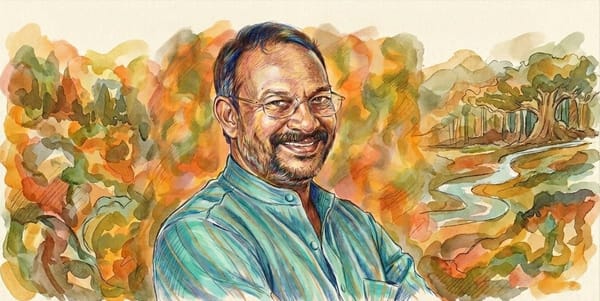
Just that smile. Calm, knowing, a little maddening if you think about it too long.
This is not a piece about faith. I don't approach him as God. I'm not sure that framing even does him justice, because frankly, if he were God, why write yourself such a brutal script? Why choose the prison birth, the exile, the love you can never return to, the battlefield grief, the curse, the lonely end? It doesn't add up.
What adds up is this: a human being who decided, somewhere early and permanently, that his purpose was larger than his pain. Who held his ideology of righteousness even when righteousness cost him personally. Who made difficult, sometimes ruthless choices, and never dressed them up as easy ones.
Not a deity to pray to. A standard to quietly measure yourself against.
The next time life feels like it's piling on, sit with his story for a moment. The boy separated from his mother at birth. The love he left behind and never stopped carrying. The kingdom he walked away from. The family he watched fall. The curse he accepted with the same composure he brought to everything else.
All of it, held behind that smile.

Then ask yourself, honestly: what exactly is it that has you so tired?