Imagine you are a father choosing a wife for your son. The girl is fine, dutiful, devoted, and respectful. Just one thing you should know. If her elder sister ever needs her, she will leave with her for years, leaving your son behind. No letters. No visits. Just silence.
Would you still say yes?
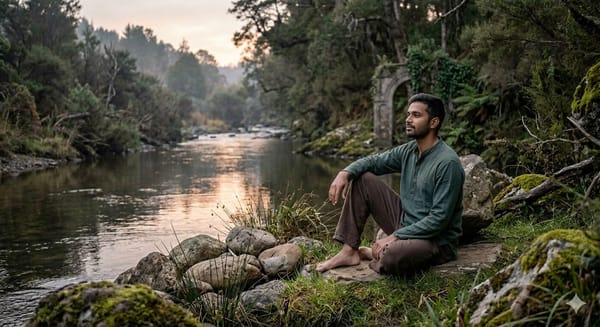
Picture what follows. Your son, alone in a large house, caring for his ailing in-laws while his wife is gone, with no word of when, or if, she returns. He grows older in that silence, holding a family together with hands nobody notices. And when his wife finally comes back, the kingdom writes songs about her sacrifice. Temples are built in her name.
Nobody writes a song for him.
Here is the twist. This is not a hypothetical. It happened, except the genders were reversed, and history looked the other way. The one who left was a man, and the one who waited, barely a footnote in the story we all grew up with, was a woman.
She was married into a kingdom knowing she would never be its queen, knowing her husband's loyalty would always belong to his brother first. She married him anyway, and loved him anyway.
When her husband chose exile beside his brother, he did not consult her.
He simply left, and she was informed, the way one is informed of weather, not asked.
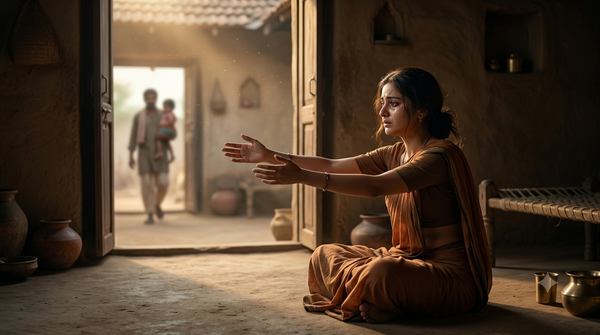
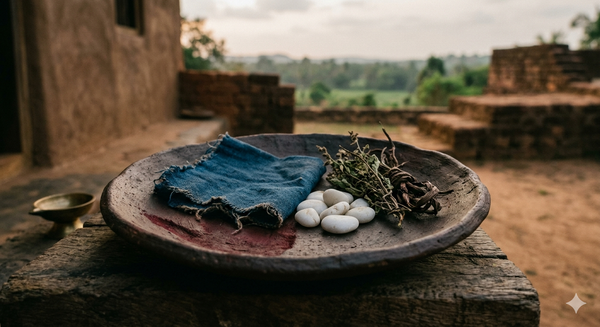
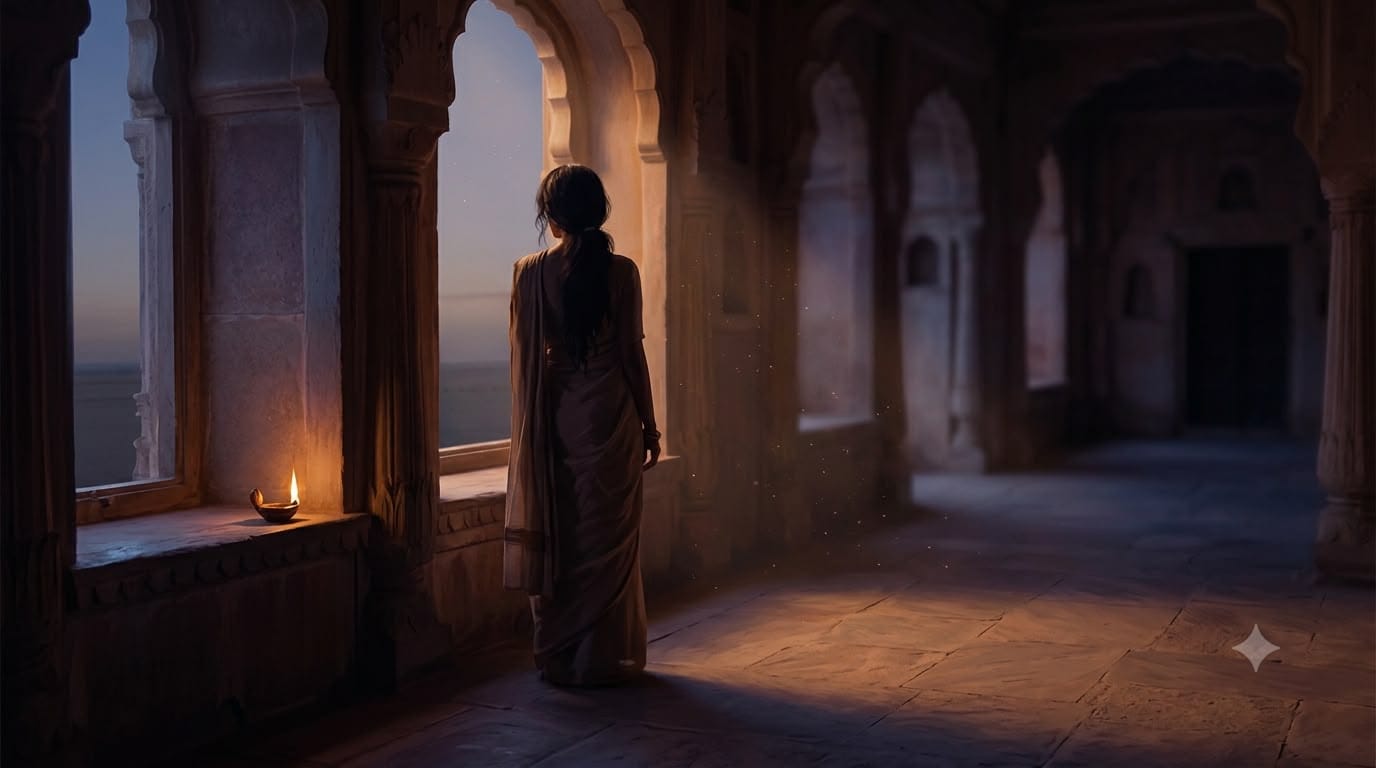
For fourteen years she ran a grieving household, nursed her ailing in-laws, and lived through the prime of her youth in a palace that must have felt like a beautiful, silent prison.
Think about what her nights would have looked like. Her husband gone, with no promise of return. Her sister, the person she likely grew up closest to, also gone, into the same forest, into danger neither of them could measure. She did not have the comfort her sister had, of being with the person she loved most. She had only the waiting, and the terrible arithmetic of missing two people at once.
Do you already know who we're talking about? If not, sit with that for a second.
Sister to Sita. Wife of Lakshman. Sister-in-law of Rama. She has a name too.
Urmila.
There is a later legend, absent from Valmiki's original text, where Lakshman transfers his need for sleep onto Urmila so he can stay awake guarding Ram. Fourteen years of sleep fall on her instead. Notice who is remembered for that. He is celebrated for staying awake out of devotion. She, whether she agreed or simply had it decided for her as everything else in her life was, wakes up an old woman, having lost fourteen years she never signed away.
When the exilees returned, the kingdom celebrated. Poems were written, statues carved. Ram Darbar, the sacred image found in temples across India, shows Ram, Sita, Lakshman, and Hanuman standing together in glory.
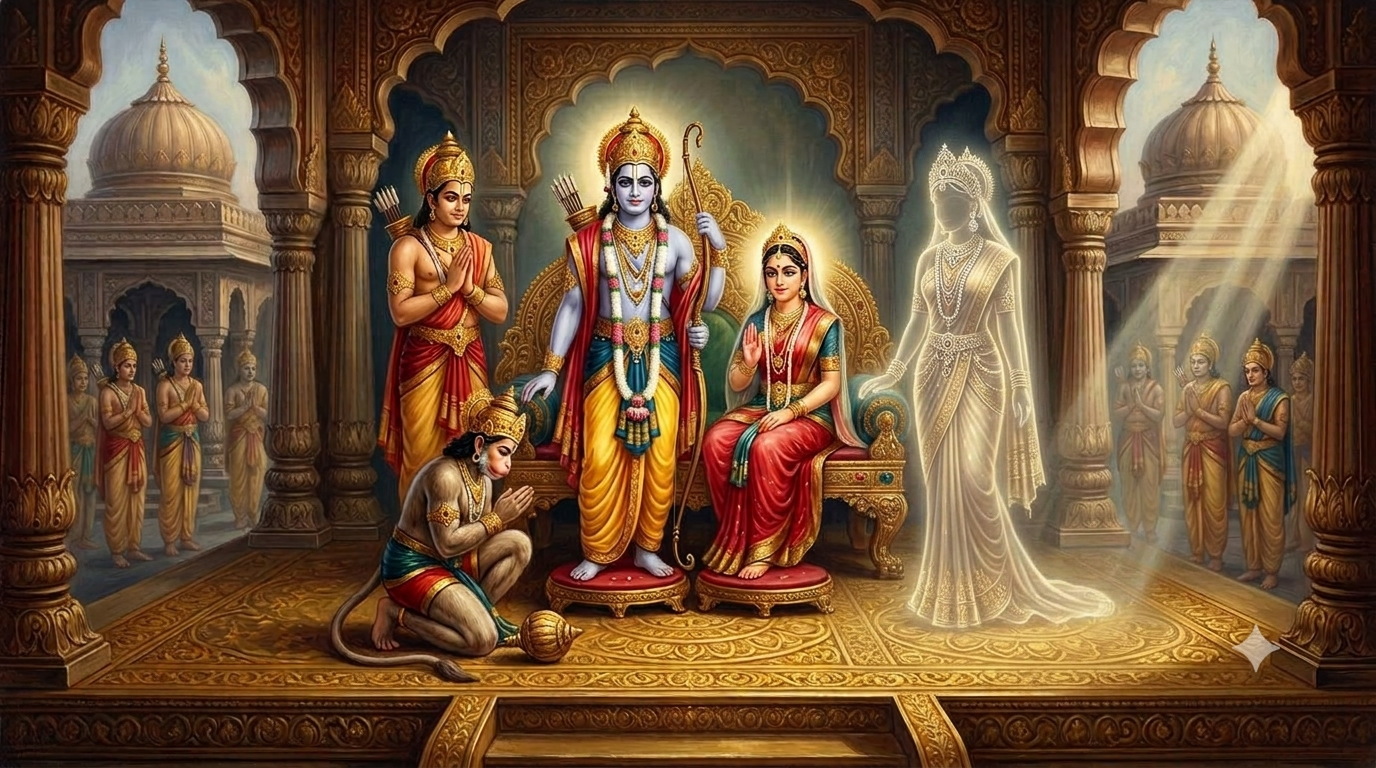
Urmila is not in that picture. She never was.
This is often the fate of those who hold things together in the background: the ones who wait, who nurse, who quietly lose years of their own lives while someone else returns a legend. Their sacrifice does not photograph well, does not make for a stirring verse. It simply happens, unnoticed, called duty instead of heroism.
Strip away the mythology and ask honestly, whose sacrifice actually asked for more, the one who was seen, or the one who was not.
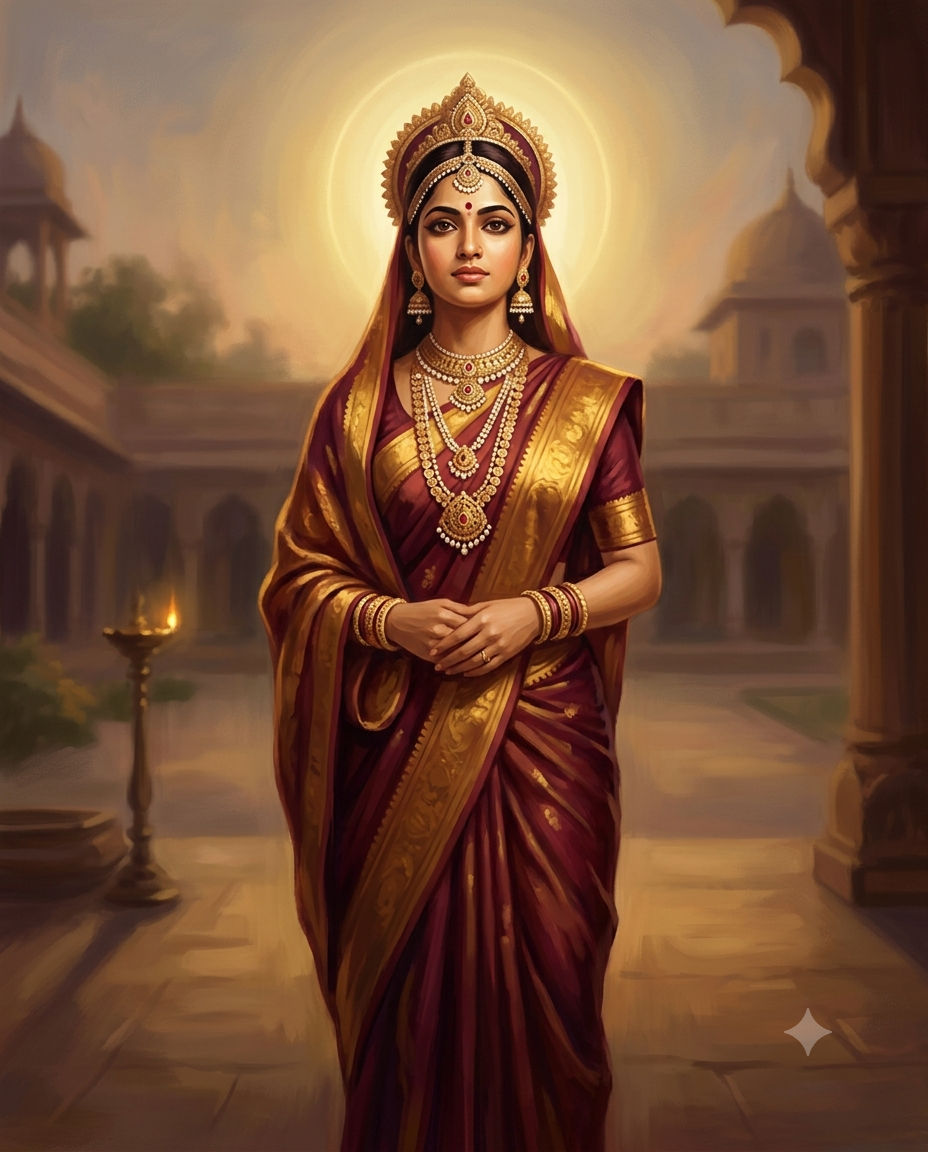
Not a footnote. Not a background figure. A frame of her own.
Somewhere in your own life, is there someone who has sacrificed for you, silently, without reverence, without a temple built in their name? Have you ever actually said thank you?
References
Ramayana (traditional narrative source material)
Urmila Nidra legend (later regional retelling, not present in Valmiki's original Ramayana)