The pitch is simple: it is never the faith that fails. Whether you call it God, karma, the universe, or the practice, the accounting is always the same. When it works, the divine gets the credit. When it doesn't, you weren't enough.
The Algorithm

Every transactional faith tradition has a built-in defense mechanism. Success is evidence of the divine. Failure is evidence of your inadequacy.
Your kundali was wrong. You didn't have enough iman (faith). Your karmic baggage was too heavy. You didn't manifest with high enough vibrations.
Notice how the vocabulary changes across traditions. The accounting never does. This is not a critique of faith or spiritual philosophy at large. It is a critique of the transactional, quid pro quo version of religion, the one that promises specific outcomes in exchange for specific rituals. That version is an unfalsifiable claim, and unfalsifiable claims are the oldest sales technique in the world. God's track record stays clean.
The Baby and the Last Temple
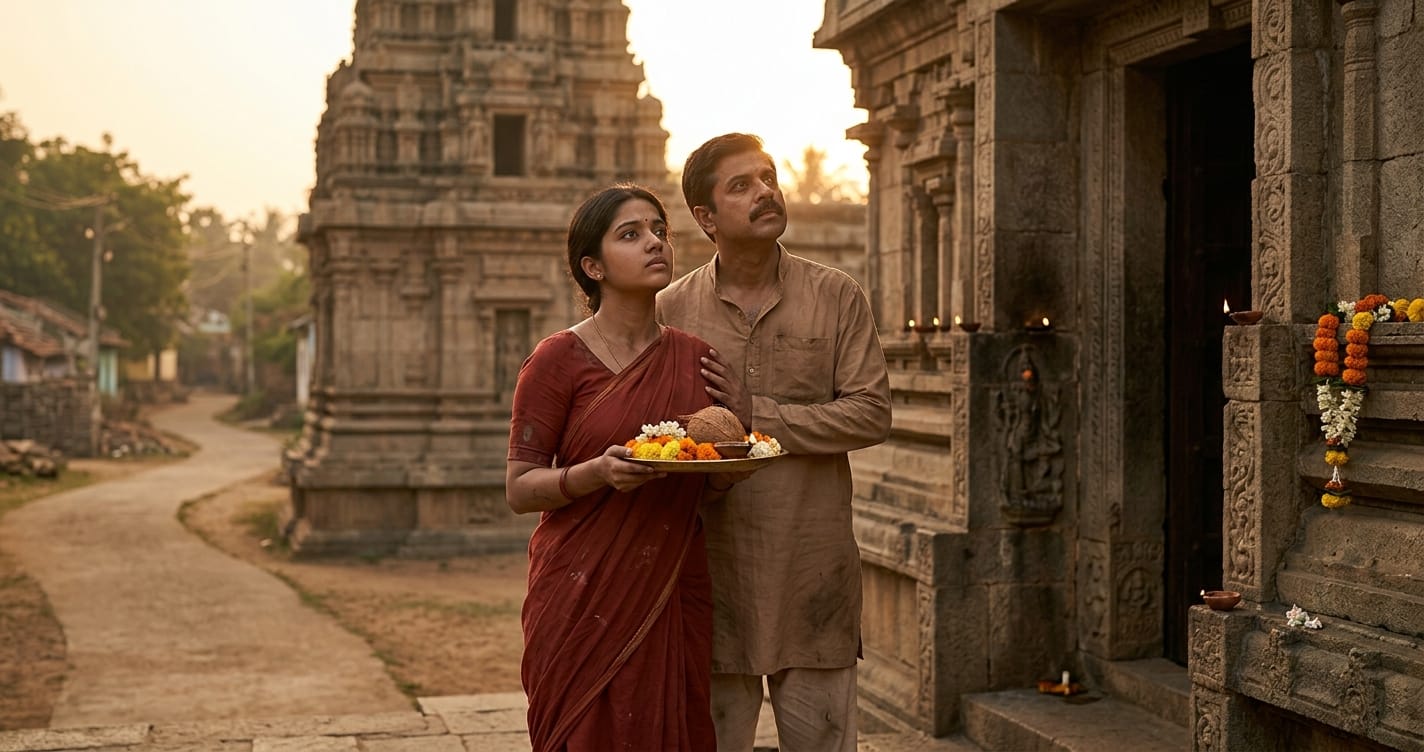
A couple I know struggled to conceive for years. They visited seven temples, vows made, rituals completed, prasad consumed. Six didn't "work."
Then came the seventh. They conceived.
Today, they recommend that temple to every couple struggling with fertility. The first six have been quietly erased from the story.
It is no different from the thousands of faded mannat threads tied to the lattice screens of Dargahs like Ajmer Sharif, left behind by people whose prayers went unanswered and who quietly moved on, blaming their own fate. Only the few who return to untie them, arriving with sweets and drums, build the narrative.
"We are not wrong for remembering the hits. We are just human. Evolution built us to find patterns, not to calculate standard deviations."
The Shrine Has Many Names
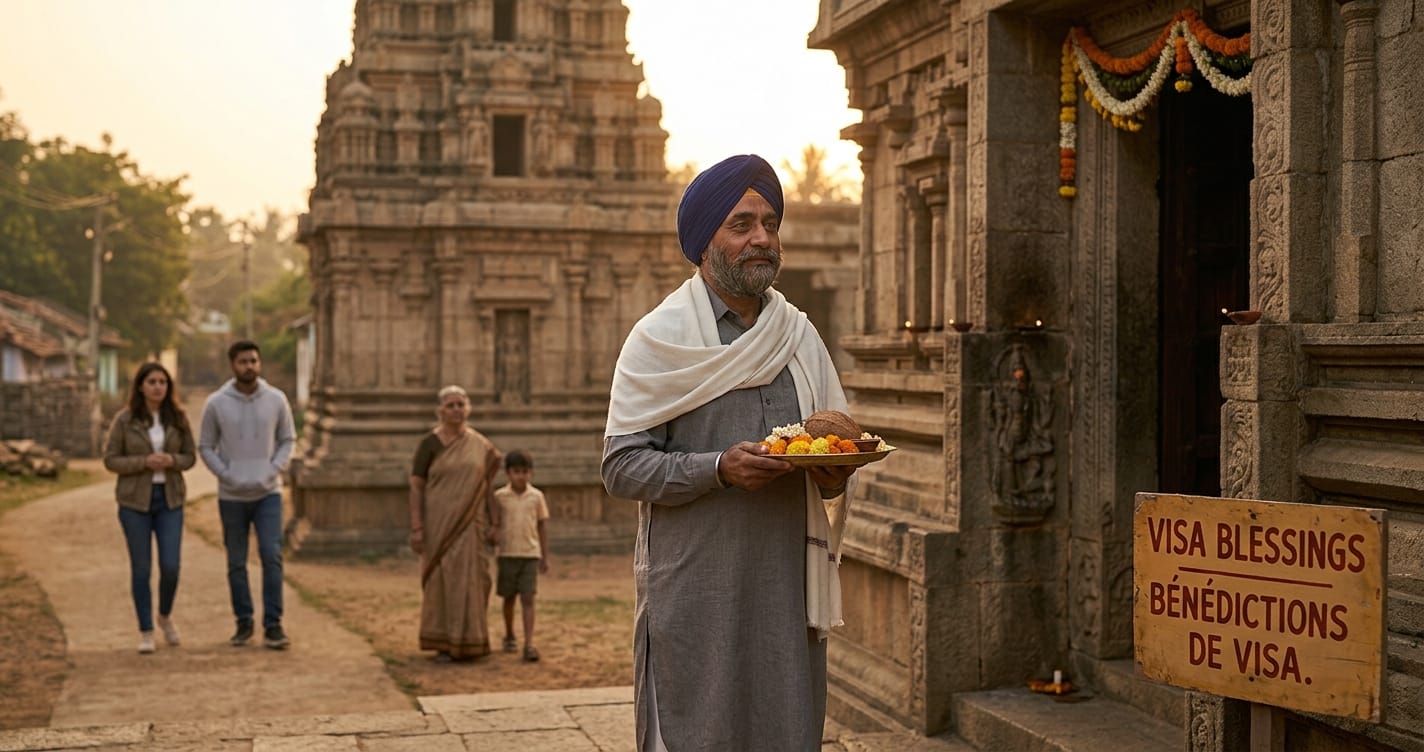
There's a temple near Hyderabad where people pray for foreign visas. There's a Dargah in Mumbai visited for court case wins. There's a pastor in Chennai holding miracle crusades for financial breakthroughs. Different traditions. Identical architecture.
Ask yourself: how many people who visited these places didn't get what they came for?
They don't come back to update the story. They quietly move on, blaming themselves for not believing enough. Only the approvals return, loud and grateful.
The legend is built entirely on survivorship bias. The graveyard of silent rejections keeps the foundation perfectly hidden.
The Statistical Fallacy
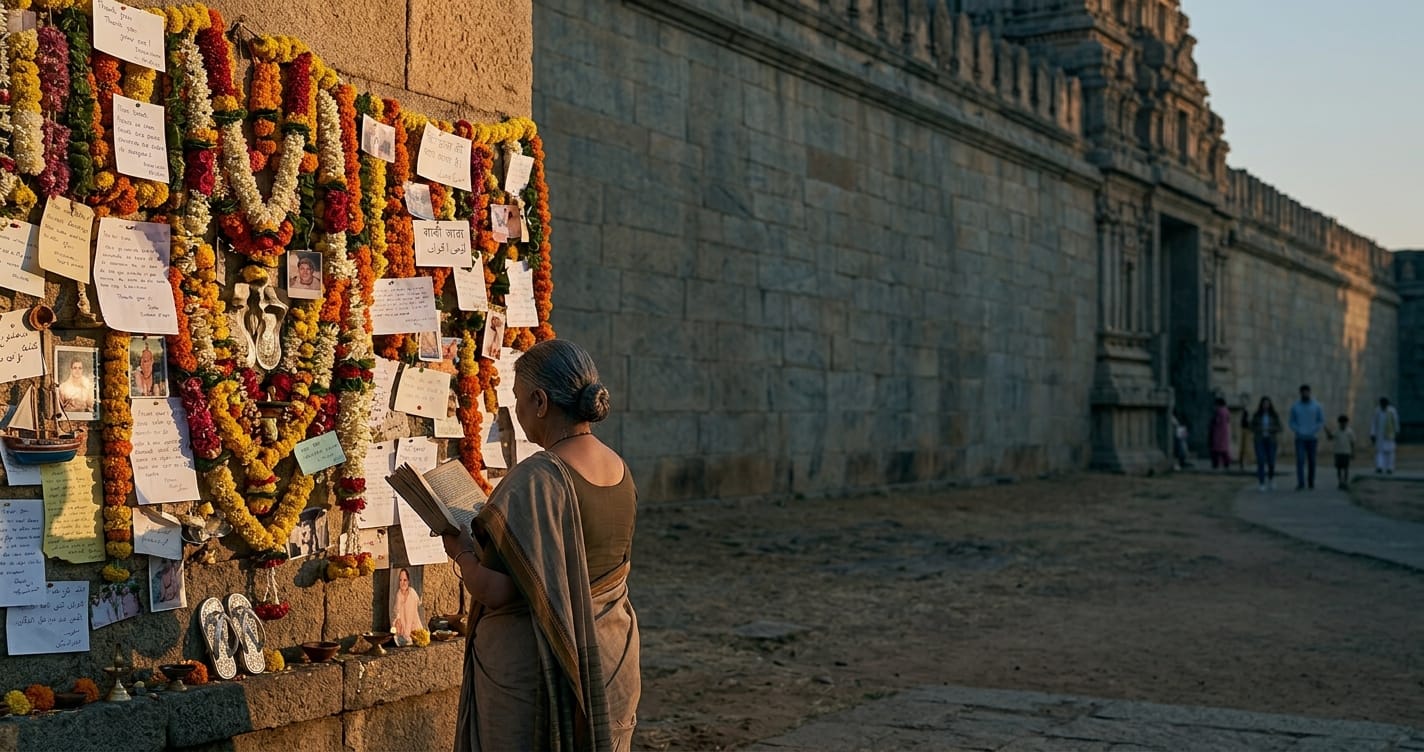
What's actually happening has a name: selective attention to true positives.
| Outcome | Faith's credit |
|---|---|
| Prayed, Got visa | "It works!" |
| Prayed, Rejected | "Didn't believe enough" |
| Didn't pray, Got visa | Never counted |
| Didn't pray, Rejected | Never counted |
A rational evaluation requires all four cells. Faith-based reasoning only ever counts the top-left. Confounding variables vanish entirely: the fertility specialist, the reduced stress, the lifestyle change, time itself. None of it gets logged. Only the ritual does.
This is attribution error. And it isn't limited to temples. When urban, educated people replace ritual with sacred chants or affirmations rebranded as manifestation, the same loop recreates itself under the language of energy and vibrations. The tradition changes. The cognitive software does not.
"Human beings tolerate bad logic far better than they tolerate the cold, terrifying reality of pure chance. Certainty, even false certainty, feels better than randomness."
The Honest Caveat
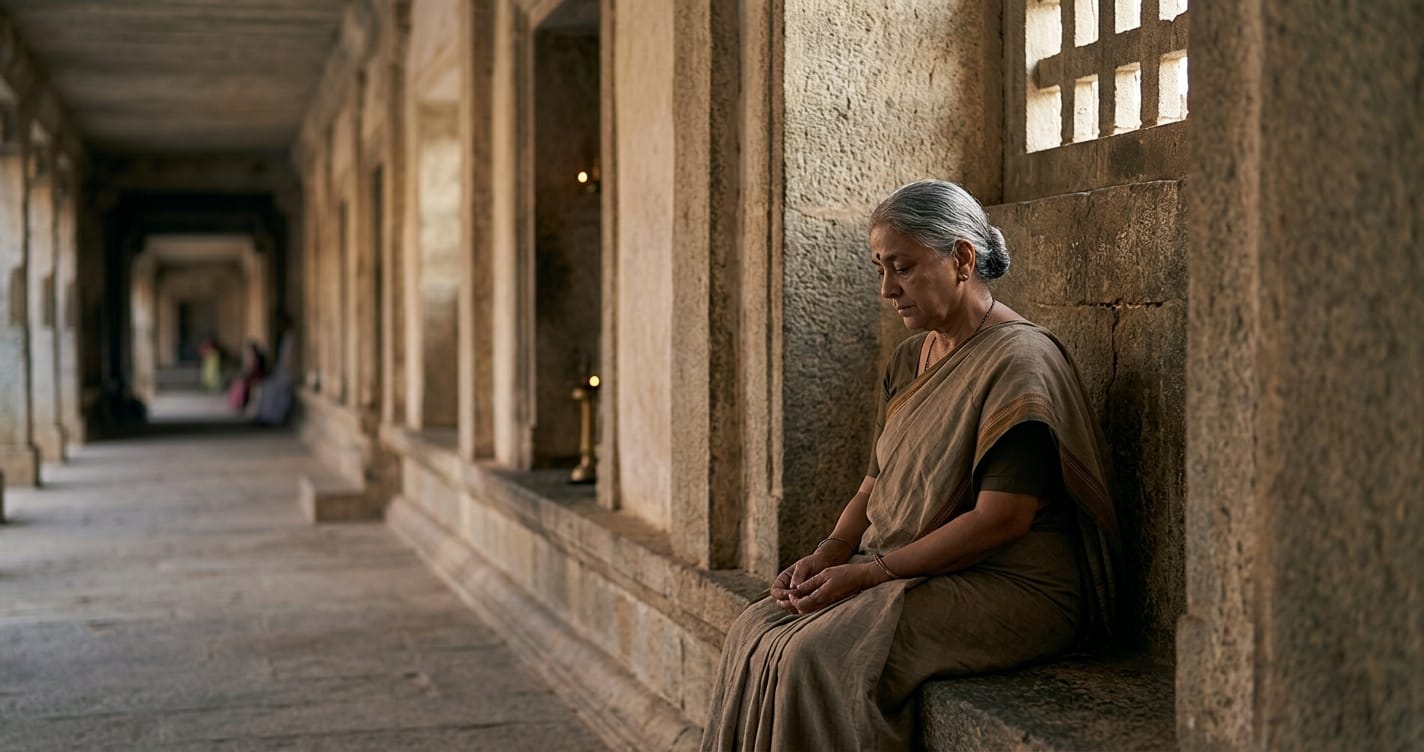
Rationalism must be careful not to overreach.
When someone is desperate for a child, or terrified their visa rejection means their dreams are over, they are not auditing datasets. They are managing anxiety that is genuinely hard to sit with. A ritual gives you a narrative, a place to put your fear, a reason to keep going. That is not nothing. That is deeply human.
But here is what the transactional model gets tragically wrong. It takes that real, powerful capacity for hope and redirects it outward, toward a shrine, an offering, a thread tied to a screen. It tells you the outcome lives outside of you. That you are merely a petitioner, waiting to be granted something.
And when it doesn't work, it doesn't question the system. It questions you. Your devotion. Your purity. Your faith. That is not spiritual guidance. That is gaslighting dressed in the language of the divine.
The Credit Was Always Yours
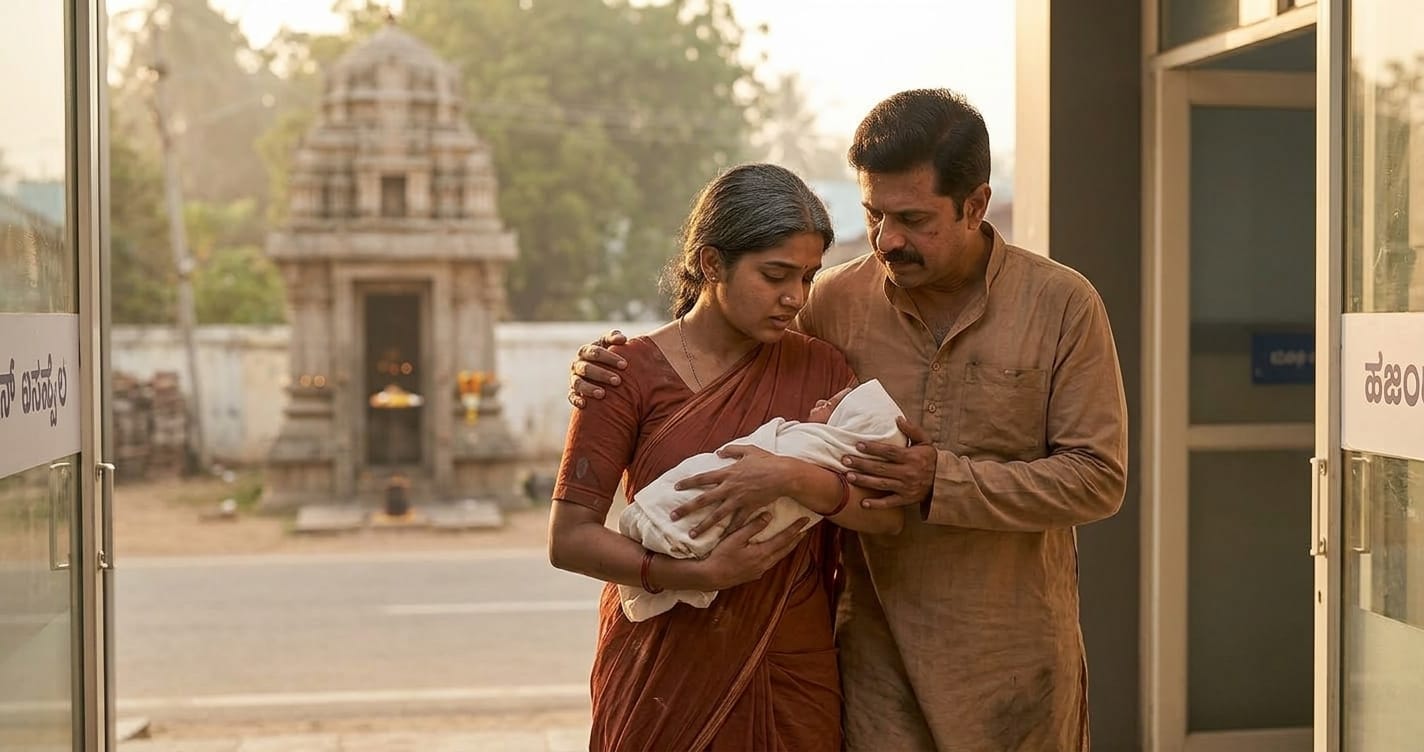
Consider what actually happened with that seventh temple. The couple showed up. They kept going. They refused to quit through six failures and still found the strength to try again. Faith may have been the spark that kept them walking through the door. But the strength that carried them there was always human. That resilience was never the temple's gift. It was always theirs.
Science cannot prove God didn't intervene. What it can show is that every outcome here is fully explained by the extraordinary capacity of human beings to persist, to hope, and to heal. Cortisol affects fertility. Hope has measurable biological consequences. But the source of that hope was never outside them. It was them.
When the system insists faith always works, every unanswered prayer becomes a personal moral failing. The person who didn't conceive wonders what they did wrong. The visa rejection becomes evidence of insufficient devotion. That quiet, private guilt is perhaps the heaviest cost of this model. It takes people who were already doing everything right and convinces them they were not enough.
Conclusion: What These Places Actually Are

These places or practices are containers for hope. And hope is not the problem. Hope is extraordinary. The problem is a system that borrows your hope, attaches it to a transaction, and hands you the bill when things don't work out.
You are allowed to light a diya, tie a thread, bow your head, chant to meditate and feel something. Faith as comfort, as community, as a way of sitting with the unknown, is a deeply valid human experience. What you do not have to accept is the accounting that follows. The one that gives the shrine credit for your courage and hands you the blame for your pain.
The next time someone swears by a place of worship, don't dismiss them. Just ask gently: what happened to everyone else who went?
That question is where honest thinking begins. And honest thinking, ultimately, is just another way of believing in yourself.